

What the Cold Weather can Mean for Your Roof!
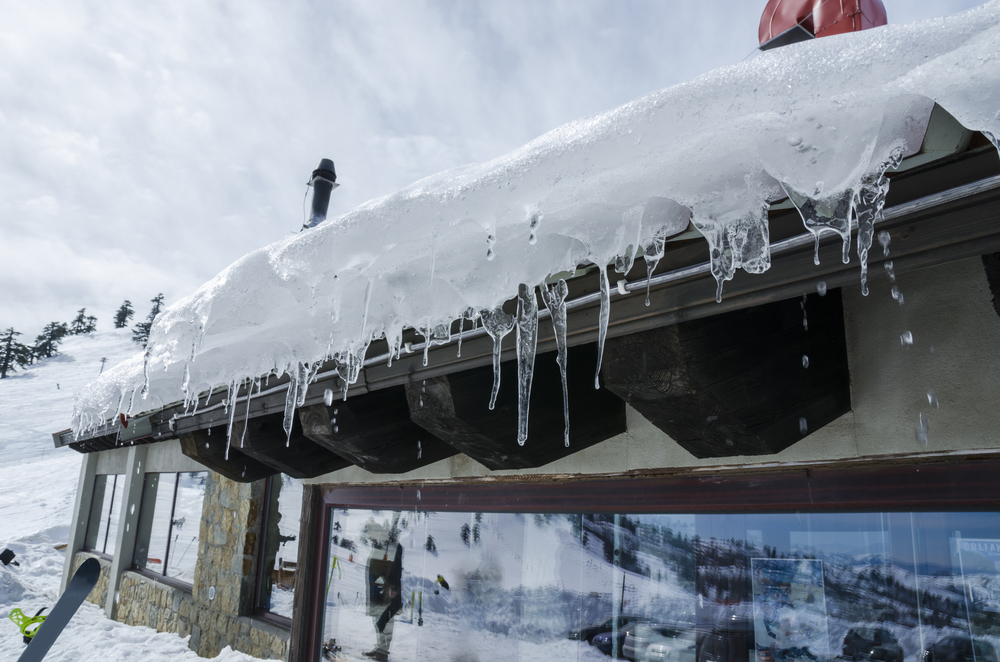
Winter is a beautiful time of year, but it can also be one of the most brutal seasons for your home, especially your roof. If you live in an area prone to snowstorms, freezing temperatures, and sudden weather shifts, your roof is under constant stress. The cold weather brings a variety of challenges that can impact the longevity and safety of your roofing system. While many materials are vulnerable, slate roofs offer unique advantages. However, they are not immune to damage and must be properly maintained.
Understanding the Freeze-Thaw Cycle and Its Impact
One of the most damaging effects of cold weather on a roof is the freeze-thaw cycle. This natural phenomenon occurs when water infiltrates cracks and crevices during the day, then freezes at night. As the water expands into ice, it widens those gaps, which can lead to structural damage over time. For many roofing materials, this cycle is a silent destroyer. Asphalt, wood, and even metal can crack, warp, or degrade under the repeated stress of thermal expansion and contraction.
This is where slate roofing has a distinct edge. Thanks to its dense composition and low porosity, slate boasts superior freeze-thaw cycle resistance. Unlike more porous materials, slate absorbs very little water, minimizing the likelihood of cracks forming during freezing conditions. That said, not all slate roofs are created equal, and older systems or poorly installed tiles may still be at risk. Therefore, even with high-quality slate, inspections before winter and after major storms are essential.
The Threat of Ice Dams on Slate Roofs
Of all the issues that winter brings, slate roof ice dams are among the most dangerous. Ice dams form when warm air from the attic melts snow on the roof, which then refreezes at the eaves and gutters. This creates a barrier that traps additional melting snow, leading to water back-up and potential leaks under the slates.
While slate itself is largely impervious to water, the underlayment and subroofing materials are not. Once water penetrates those areas, it can lead to rot, mold, and even structural degradation. Ice dams are typically caused by clogged drainage systems, inadequate insulation, or poor ventilation. To mitigate this threat, it’s vital to maintain proper airflow in the attic and ensure that your gutters and downspouts are clear before the first snowfall. Heat cables can also be used strategically to prevent dam formation in historically problematic spots.
Heavy Snow Load Capacity and Structural Integrity
Another major concern during the winter months is the weight of snow and ice that accumulates on your roof. Fortunately, slate roofs are well-equipped to handle this issue. Known for their heavy snow load capacity, slate tiles can support large volumes of snow without buckling or shifting. This makes them particularly ideal for regions that experience frequent or heavy snowfalls.
However, the structure supporting the slate must also be up to the task. Even though the slate itself may not fail, an older or weakened roof deck can sag or collapse under the added weight. This is why it’s important to pair your slate roof with a robust support system and to have periodic structural assessments conducted by professionals, especially after intense storms.
Also, keep in mind that uneven snow accumulation can place disproportionate stress on certain parts of the roof. When snow melts and refreezes, it can migrate and settle in valleys or behind chimneys, concentrating the load in areas not designed to bear it. Snow raking and safe removal by experts can help prevent these problems.
Inspecting Flashing and Repairing Broken Slates
In winter, one of the most common failure points on any roof, regardless of material, is the flashing. This thin material, usually metal, is used to seal joints and transitions, such as around chimneys, vents, and valleys. Flashing integrity is critical to preventing water infiltration, but cold weather can compromise its effectiveness. Expansion and contraction due to thermal shock can cause flashing to pull away or develop cracks, allowing water to seep into the roof system.
It is essential to inspect all flashing before and during winter. Any signs of lifting, rust, or separation need immediate attention. Repairs should be conducted with materials suited for winter application, as some sealants may not cure properly in freezing temperatures.
Likewise, broken slate replacement becomes a critical winter task. Slates can crack due to the impact of falling ice, tree limbs, or simply from being walked on incorrectly during snow removal. When a slate tile is broken, it exposes the underlayment to the elements, making the roof vulnerable to leaks and further damage. While replacing slate in the cold is more complex due to brittle conditions and icy surfaces, it should not be delayed. Prompt repairs help preserve the overall integrity of the roof.
The Importance of Preventative Maintenance and Snow Guards
Winter roofing problems are often the result of insufficient preparation. One of the most overlooked yet crucial steps is gutter and downspout clearing. Clogged drainage systems prevent melted snow from escaping the roof efficiently, contributing directly to ice dam formation and water backup. Removing leaves, twigs, and debris from gutters before the cold sets in is a simple yet effective preventative measure.
Another valuable addition to any slate roof in snowy climates is snow guards installation. These devices are designed to prevent large sheets of snow or ice from sliding off the roof suddenly, which can damage property or injure people below. Snow guards work by holding the snow in place and allowing it to melt gradually. This is especially important for slate roofs, as the smooth surface makes them more prone to rapid snow slides. Properly installed snow guards also help distribute the snow load more evenly across the roof, reducing the chances of damage.
Finally, addressing thermal shock is crucial during the winter months. Thermal shock refers to the stress materials undergo when exposed to rapid temperature changes, such as a sunny afternoon followed by a sub-zero night. This can cause slates to expand and contract abruptly, potentially leading to cracks or delamination over time. While slate is more resistant to thermal shock than many other materials, it is not immune. Regular inspections and controlled attic ventilation can help minimize this risk.
Conclusion
Winter brings a wide array of challenges to roofing systems, and understanding how to address them can save homeowners from costly repairs and dangerous situations. Slate roofs, with their natural durability and freeze-thaw cycle resistance, are particularly well-suited for cold climates. However, even the best materials require ongoing attention.
Paying close attention to slate roof ice dams, managing heavy snow load capacity, ensuring flashing integrity, performing broken slate replacement, and preparing your roof with snow guards installation are all crucial steps in winter readiness. Additionally, never underestimate the importance of gutter and downspout clearing or the damaging effects of thermal shock.
With proactive care, timely maintenance, and an understanding of how cold weather impacts your slate roof, you can ensure it continues to protect your home for decades to come. A slate roof may be a premium investment, but proper winter care ensures it delivers long-term value and peace of mind.
Need Roofing Services Near You?
Since 1975, we here at The Twelfth Century Slate Roofing Co. have been providing quality slate and copper roofing to Burlington, MA and beyond. We are your experts in the installation, repair, and renewal of slate and copper roofing. We are dedicated to making your home look like new, so call us today for a free estimate!