Skip to content
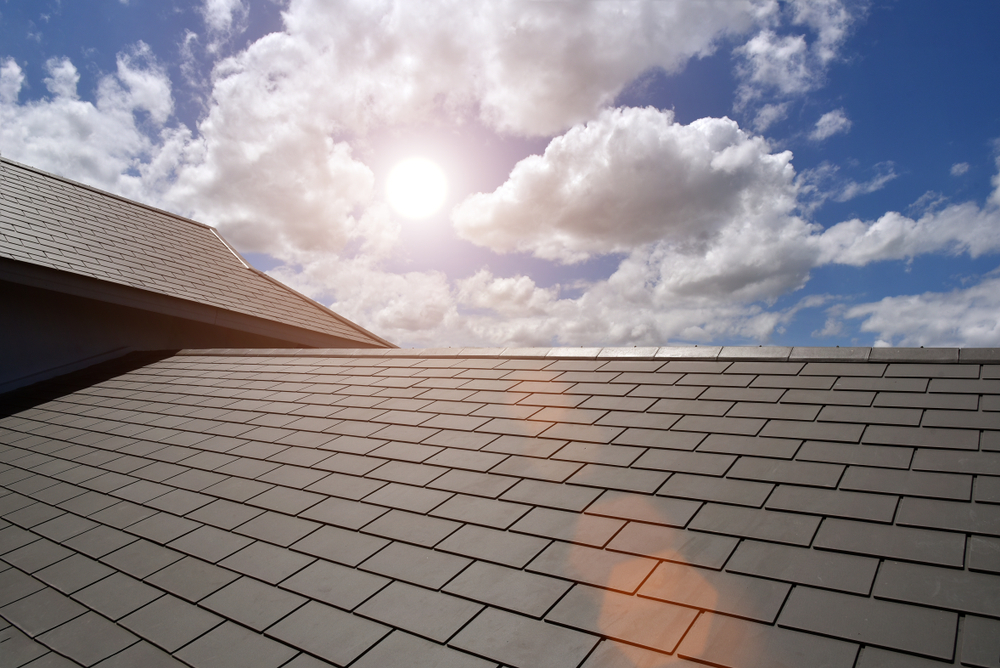
Boston, MA is a city that takes its architectural heritage seriously. From the brownstones of Back Bay to the colonial homes of Beacon Hill, the buildings that define this city carry centuries of history in their bones. One of the most enduring features of these historic structures is the slate roof overhead. Natural slate roofing is not simply a practical choice; it is a statement of craftsmanship, longevity, and respect for tradition. For homeowners across Massachusetts, slate remains the gold standard in roofing materials, and it is easy to understand why.
When you walk through the older neighborhoods of Boston, you will notice that the roofs that have survived the longest are almost always made of slate. These are not roofs that were replaced five or ten years ago. Many of them have been in place for well over a century, quietly doing their job through nor’easters, heat waves, and everything in between. That kind of performance is simply not available from asphalt shingles or synthetic materials, no matter how well they are marketed.
The Unmatched Durability of Slate Roof Installation
One of the first things a qualified slate roofing contractor in Massachusetts will tell you is that slate is not just a roofing material; it is a geological product that has been forming under the earth for hundreds of millions of years. That natural compression and transformation process results in a stone that is extraordinarily dense, resistant to water absorption, and capable of withstanding the harshest weather conditions the Northeast can deliver.
Slate roof installation requires a level of skill and precision that goes far beyond laying down shingles. Each slate tile must be properly sized, graded, and fastened using the correct nails and techniques to ensure that the roof performs as intended for generations. A properly installed slate roof can last anywhere from 75 to 150 years, and in some cases even longer. Soft slate varieties, such as those quarried in New York and Vermont, tend to last 50 to 125 years, while hard slate from regions like Pennsylvania can last well beyond 150 years.
This longevity makes slate roof installation in Boston, MA an investment that pays for itself many times over. When you factor in the cost of replacing an asphalt roof every 20 to 30 years versus maintaining a slate roof that may outlast you and your children, the math becomes quite compelling. Beyond the financial argument, there is also the environmental dimension. Natural slate roofing is a sustainable choice because it does not end up in a landfill every few decades the way that synthetic materials often do.
Historic Slate Roof Restoration: Preserving Boston’s Architectural Soul
Boston is home to some of the most historically significant residential and commercial architecture in the United States. Many of these buildings were originally topped with slate roofs, and preserving that original character is often a priority for both homeowners and local preservation organizations. This is where historic slate roof restoration becomes critically important.
A skilled slate roofing contractor in Massachusetts understands that restoration is not the same as replacement. In many cases, a slate roof that appears to be failing is actually in much better condition than it seems. The slates themselves may still be fully viable, while the problem lies with deteriorated flashings, failed underlayment, or broken fasteners. An experienced contractor will conduct a thorough inspection to assess exactly what is happening before recommending a course of action.
Historic slate roof restoration also involves sourcing matching slate tiles when individual pieces need to be replaced. This requires knowledge of where different slate varieties were quarried and how to find reclaimed slate that closely matches the original material in color, texture, and thickness. Rushing this process or substituting inferior materials can compromise both the appearance and the integrity of the entire roof, which is why working with a qualified professional is so important.
In a city like Boston, where historic preservation standards often apply, the restoration of a slate roof is also a matter of compliance. Many neighborhoods have architectural review boards or landmark designations that require any exterior changes, including roofing, to be consistent with the original character of the building. A contractor who specializes in historic slate roof restoration will be familiar with these requirements and can help guide homeowners through the necessary approvals.
Slate Roof Repair in Boston: Knowing When to Act
Not every problem with a slate roof requires a full restoration or replacement. In fact, one of the great advantages of natural slate roofing is that it is highly repairable. Individual slates can crack or break due to foot traffic, falling debris, freeze-thaw cycles, or simply the passage of time. When this happens, the solution is usually straightforward: remove the damaged tile and replace it with a matching piece of slate.
Slate roof repair in Boston should always be handled by someone with specific experience working with slate. This is not a job for a general roofing contractor who primarily works with asphalt shingles. Slate tiles are fragile in ways that are different from other roofing materials, and walking on them incorrectly or using the wrong tools can cause far more damage than the original problem.
Homeowners should be on the lookout for several warning signs that slate roof repair may be needed. Water stains on interior ceilings or walls, visible cracked or missing tiles, granule debris in gutters (though this is more common with asphalt), and daylight visible in the attic are all indicators that something needs attention. Catching these issues early is essential, because a small repair that costs a few hundred dollars can quickly become a much larger problem if it is ignored.
It is also worth noting that the flashings on a slate roof, typically made of copper or lead-coated copper, may need attention long before the slates themselves do. Flashings are the metal strips that seal the joints around chimneys, dormers, and valleys, and they are often the source of leaks even when the slates are in perfectly good condition. A reputable slate roofing contractor in Massachusetts will always inspect flashings as part of any roof evaluation.
Choosing the Right Slate Roofing Contractor in Massachusetts
The quality of any slate roofing project, whether it is a new installation, a restoration, or a repair, depends almost entirely on the skill and experience of the contractor you choose. Slate is a specialty material, and not every roofing company has the knowledge or training to work with it correctly.
When evaluating a slate roofing contractor in Massachusetts, look for verifiable experience with slate specifically. Ask to see examples of past projects and, if possible, speak with previous clients. Find out where the contractor sources their slate and whether they have experience matching historic materials for restoration work. A contractor who takes pride in their craft will welcome these questions and answer them in detail.
Certifications and affiliations with organizations such as the Slate Roofing Contractors Association (SRCA) are a good indicator of professional commitment. You should also verify that any contractor you hire carries proper licensing and insurance, which is especially important for work in Boston, MA, where building codes and permit requirements must be followed carefully.
Conclusion
Slate roofing represents one of the finest investments a homeowner in Boston, MA can make. Whether you are pursuing a new slate roof installation, undertaking a historic slate roof restoration, or simply addressing a slate roof repair, the key is to work with a qualified slate roofing contractor in Massachusetts who understands the material, respects the craft, and takes the time to do the job right. Natural slate roofing connects your home to a long tradition of quality and endurance, and with the right care, it will continue to protect and beautify your property for generations to come.
Need Roofing Services Near You?
Since 1975, we here at The Twelfth Century Slate Roofing Co. have been providing quality slate and copper roofing to Burlington, MA and beyond. We are your experts in the installation, repair, and renewal of slate and copper roofing. We are dedicated to making your home look like new, so call us today for a free estimate!
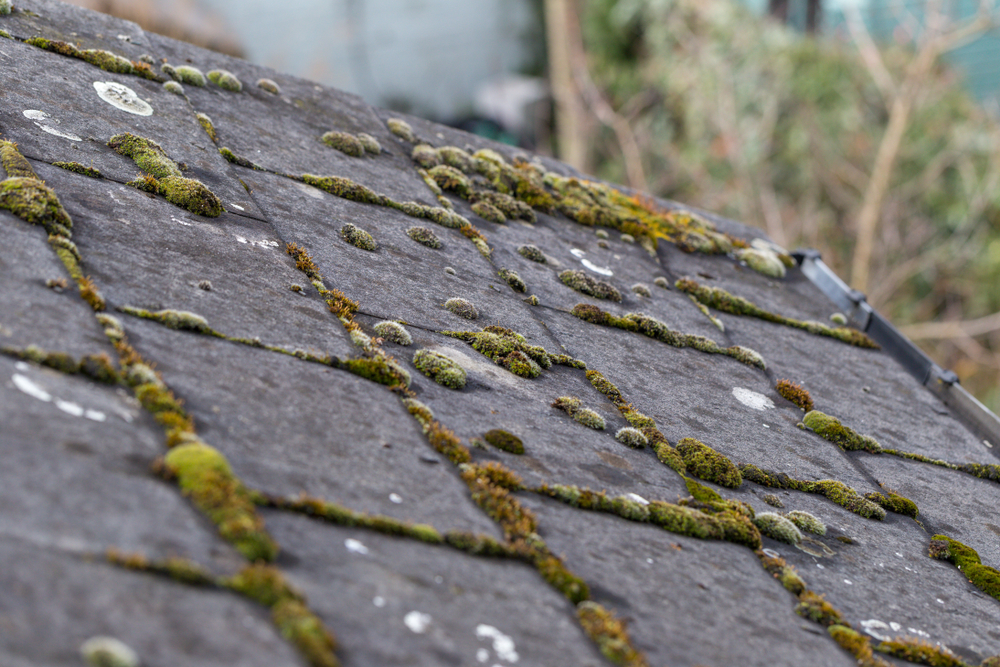
Slate roofs are renowned for their beauty, longevity, and exceptional performance under a variety of weather conditions. However, as strong as they are, winter presents unique challenges that can compromise their integrity if not properly maintained. The combination of snow, ice, moisture, and freezing temperatures can lead to several hidden and visible problems, even in expertly installed slate roofing systems. Understanding how cold weather affects slate roofing helps homeowners stay ahead of costly repairs and maintain their investment for decades to come.
Ice Damming and Its Destructive Path
One of the most common threats to slate roofs during winter is ice damming: when snow melts and refreezes at the eaves, forcing water upward under the slate tiles. Slate itself is water-resistant, but it is not entirely waterproof. The underlayment and flashing systems are responsible for keeping moisture out, and when water begins to back up under the slate due to ice damming, these systems can be overwhelmed.
Once water infiltrates beneath the slates, it can seep into the wooden decking below, triggering rot, mold growth, and even interior leaks. This is particularly dangerous because the problem often goes unnoticed until it has caused significant internal damage. Proper attic insulation and ventilation can help reduce the risk of ice dam formation, but in regions with heavy snowfall and fluctuating temperatures, vigilance is key.
Freeze-Thaw Expansion: Nature’s Slow Breaker
Slate is a natural stone, and while it is very dense, it still contains microscopic fissures and pores. These small openings become a liability during freeze-thaw cycles. Freeze-thaw expansion: water entering small fissures in the stone expands as it freezes, causing delamination or “spalling.” Spalling results in thin layers of the slate flaking away, weakening the structure of the tile and making it more susceptible to further damage.
Over time, repeated cycles of moisture infiltration and freezing can transform a once-durable slate into a fragile, crumbling piece. This degradation not only affects the slate’s ability to shed water but also its appearance, leading to a patchy, uneven surface that may require replacement tiles to restore visual harmony.
Hidden Cracking From Snow Load
Heavy snow accumulation poses more than just visible weight on the roof. It introduces hidden cracking: the weight of heavy snow accumulation can stress and crack tiles that were already weakened or improperly installed. Unlike more flexible roofing materials, slate does not bend. Instead, it cracks under pressure, often silently. These cracks can remain hidden until spring thaw brings water infiltration or until a routine inspection reveals the damage.
The danger lies in the delayed symptoms. A roof may appear perfectly fine after a snowstorm but start leaking weeks or months later. This lag between cause and effect makes routine winter inspections critical. Identifying stress fractures early can prevent interior damage and extend the roof’s life.
Fastener Failure: Small Pieces, Big Problems
The performance of a slate roof is not just about the stone; it is also about how those stones are held in place. Fastener failure: cold-related shifting can stress older copper or galvanized nails, causing them to snap and leading to “slid slate.” When slates shift out of alignment or fall out entirely, they compromise the integrity of the surrounding tiles and expose the underlayment to moisture.
Over time, the expansion and contraction of materials due to temperature swings create constant micro-movements. Older fasteners, especially those not made from corrosion-resistant materials, may rust or become brittle. Once a nail snaps, the affected slate may appear to hang loose or slide out of place, particularly on steep pitches. Replacing fasteners and ensuring proper installation techniques are vital for long-term durability.
Flashing Contraction and Its Effects
Flashing is essential in waterproofing transitions between roofing materials and roof features such as chimneys, valleys, and vents. Flashing contraction: metal valleys and flashing expand and contract at different rates than the stone, potentially breaking waterproof seals. These breaks may not always be visible to the naked eye, but they are significant entry points for water.
When flashing separates or pulls away during cold weather, it leaves gaps where moisture can collect and eventually seep under the slates. These issues are often compounded by snow melt, which keeps moisture on the roof surface for extended periods. Regular checks of flashing integrity, particularly after significant freezes or storms, can help catch problems before they escalate.
Impact Brittleness and Sudden Damage
In extremely cold weather, slate’s natural properties change. Impact brittleness: in extremely low temperatures, slate becomes more brittle and prone to cracking from falling branches or heavy hail. A slate tile that could normally withstand a moderate impact may shatter when it is frozen solid. This brittleness can lead to unexpected breakage even from minor events, like a limb dropping from a nearby tree.
Unlike some roofing materials that can flex or bounce back from impact, slate is unforgiving. A single cracked tile opens a pathway for water and may also destabilize adjacent slates. Tree trimming and routine inspections after storms are key preventative measures, especially in areas with freezing temperatures and high winds.
Gutter Weight Stress and the Starter Course
Your slate roof’s edge is its most vulnerable area, and gutter systems are often to blame for damage in this zone. Gutter weight stress: frozen debris in gutters can pull on the “starter course” of slates, leading to edge damage. When gutters clog with ice, leaves, and snow, the added weight tugs on the eaves and the first course of slates, which are often slightly more exposed and less supported than higher rows.
This tugging effect can lead to cracks, displacement, or even slate detachment. Once the starter course is compromised, water infiltration becomes more likely, and structural edge elements may also suffer. Heated gutter systems and seasonal cleaning can dramatically reduce the likelihood of this kind of damage.
Silt, Staining, and Structural Softening
Slate roofing, like all natural materials, contains mineral deposits and inclusions that can react under certain conditions. Silt and slate “bleeding”: moisture trapped between layers can cause mineral inclusions to oxidize, leading to rust-colored streaks or structural softening. These rust-like stains are not just aesthetic issues; they can indicate internal moisture retention and the gradual weakening of the slate.
This bleeding often appears after extended periods of freezing followed by rapid thawing, which allows water to penetrate and activate oxidation within the slate itself. When this occurs, the slate may begin to crumble or become powdery in spots, requiring careful removal and replacement to prevent spread.
Conclusion
Slate roofing offers timeless elegance and exceptional longevity, but it is not immune to the trials of winter. From ice damming to impact brittleness, the cold season puts stress on every component of your roof. Understanding threats like freeze-thaw expansion, hidden cracking, and fastener failure empowers homeowners to act early, maintain performance, and protect their homes.
Regular inspections, preventative maintenance, and timely repairs are crucial for getting the most out of your slate roof, especially in cold climates. A slate roof may last a century, but it needs careful stewardship to make it through each winter unscathed. By addressing winter’s hidden risks, you can preserve the strength, function, and beauty of your slate roof for generations to come.
Need Roofing Services Near You?
Since 1975, we here at The Twelfth Century Slate Roofing Co. have been providing quality slate and copper roofing to Burlington, MA and beyond. We are your experts in the installation, repair, and renewal of slate and copper roofing. We are dedicated to making your home look like new, so call us today for a free estimate!
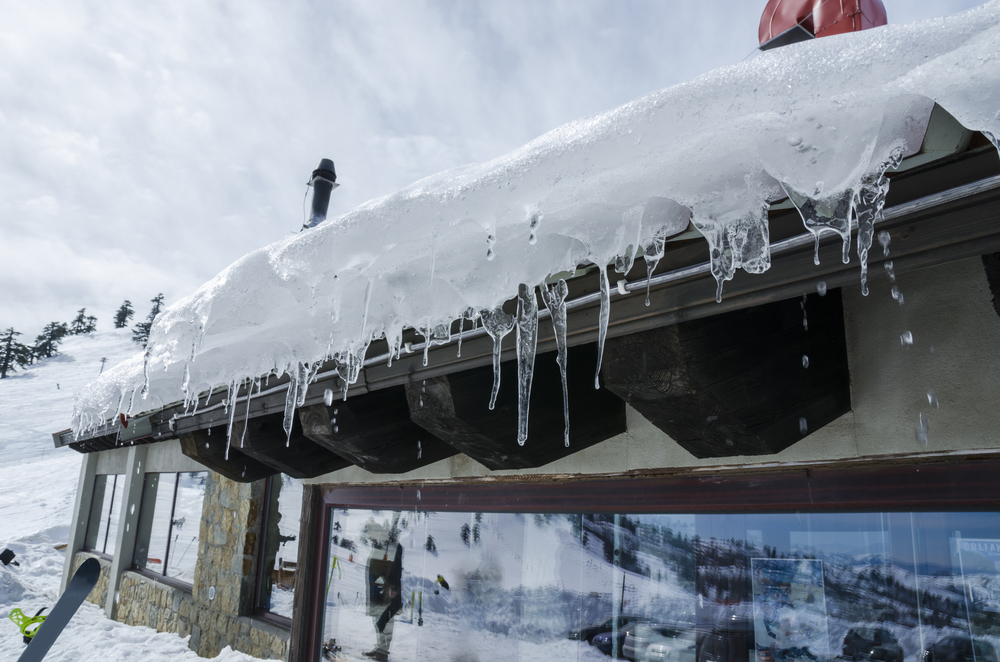
Winter is a beautiful time of year, but it can also be one of the most brutal seasons for your home, especially your roof. If you live in an area prone to snowstorms, freezing temperatures, and sudden weather shifts, your roof is under constant stress. The cold weather brings a variety of challenges that can impact the longevity and safety of your roofing system. While many materials are vulnerable, slate roofs offer unique advantages. However, they are not immune to damage and must be properly maintained.
Understanding the Freeze-Thaw Cycle and Its Impact
One of the most damaging effects of cold weather on a roof is the freeze-thaw cycle. This natural phenomenon occurs when water infiltrates cracks and crevices during the day, then freezes at night. As the water expands into ice, it widens those gaps, which can lead to structural damage over time. For many roofing materials, this cycle is a silent destroyer. Asphalt, wood, and even metal can crack, warp, or degrade under the repeated stress of thermal expansion and contraction.
This is where slate roofing has a distinct edge. Thanks to its dense composition and low porosity, slate boasts superior freeze-thaw cycle resistance. Unlike more porous materials, slate absorbs very little water, minimizing the likelihood of cracks forming during freezing conditions. That said, not all slate roofs are created equal, and older systems or poorly installed tiles may still be at risk. Therefore, even with high-quality slate, inspections before winter and after major storms are essential.
The Threat of Ice Dams on Slate Roofs
Of all the issues that winter brings, slate roof ice dams are among the most dangerous. Ice dams form when warm air from the attic melts snow on the roof, which then refreezes at the eaves and gutters. This creates a barrier that traps additional melting snow, leading to water back-up and potential leaks under the slates.
While slate itself is largely impervious to water, the underlayment and subroofing materials are not. Once water penetrates those areas, it can lead to rot, mold, and even structural degradation. Ice dams are typically caused by clogged drainage systems, inadequate insulation, or poor ventilation. To mitigate this threat, it’s vital to maintain proper airflow in the attic and ensure that your gutters and downspouts are clear before the first snowfall. Heat cables can also be used strategically to prevent dam formation in historically problematic spots.
Heavy Snow Load Capacity and Structural Integrity
Another major concern during the winter months is the weight of snow and ice that accumulates on your roof. Fortunately, slate roofs are well-equipped to handle this issue. Known for their heavy snow load capacity, slate tiles can support large volumes of snow without buckling or shifting. This makes them particularly ideal for regions that experience frequent or heavy snowfalls.
However, the structure supporting the slate must also be up to the task. Even though the slate itself may not fail, an older or weakened roof deck can sag or collapse under the added weight. This is why it’s important to pair your slate roof with a robust support system and to have periodic structural assessments conducted by professionals, especially after intense storms.
Also, keep in mind that uneven snow accumulation can place disproportionate stress on certain parts of the roof. When snow melts and refreezes, it can migrate and settle in valleys or behind chimneys, concentrating the load in areas not designed to bear it. Snow raking and safe removal by experts can help prevent these problems.
Inspecting Flashing and Repairing Broken Slates
In winter, one of the most common failure points on any roof, regardless of material, is the flashing. This thin material, usually metal, is used to seal joints and transitions, such as around chimneys, vents, and valleys. Flashing integrity is critical to preventing water infiltration, but cold weather can compromise its effectiveness. Expansion and contraction due to thermal shock can cause flashing to pull away or develop cracks, allowing water to seep into the roof system.
It is essential to inspect all flashing before and during winter. Any signs of lifting, rust, or separation need immediate attention. Repairs should be conducted with materials suited for winter application, as some sealants may not cure properly in freezing temperatures.
Likewise, broken slate replacement becomes a critical winter task. Slates can crack due to the impact of falling ice, tree limbs, or simply from being walked on incorrectly during snow removal. When a slate tile is broken, it exposes the underlayment to the elements, making the roof vulnerable to leaks and further damage. While replacing slate in the cold is more complex due to brittle conditions and icy surfaces, it should not be delayed. Prompt repairs help preserve the overall integrity of the roof.
The Importance of Preventative Maintenance and Snow Guards
Winter roofing problems are often the result of insufficient preparation. One of the most overlooked yet crucial steps is gutter and downspout clearing. Clogged drainage systems prevent melted snow from escaping the roof efficiently, contributing directly to ice dam formation and water backup. Removing leaves, twigs, and debris from gutters before the cold sets in is a simple yet effective preventative measure.
Another valuable addition to any slate roof in snowy climates is snow guards installation. These devices are designed to prevent large sheets of snow or ice from sliding off the roof suddenly, which can damage property or injure people below. Snow guards work by holding the snow in place and allowing it to melt gradually. This is especially important for slate roofs, as the smooth surface makes them more prone to rapid snow slides. Properly installed snow guards also help distribute the snow load more evenly across the roof, reducing the chances of damage.
Finally, addressing thermal shock is crucial during the winter months. Thermal shock refers to the stress materials undergo when exposed to rapid temperature changes, such as a sunny afternoon followed by a sub-zero night. This can cause slates to expand and contract abruptly, potentially leading to cracks or delamination over time. While slate is more resistant to thermal shock than many other materials, it is not immune. Regular inspections and controlled attic ventilation can help minimize this risk.
Conclusion
Winter brings a wide array of challenges to roofing systems, and understanding how to address them can save homeowners from costly repairs and dangerous situations. Slate roofs, with their natural durability and freeze-thaw cycle resistance, are particularly well-suited for cold climates. However, even the best materials require ongoing attention.
Paying close attention to slate roof ice dams, managing heavy snow load capacity, ensuring flashing integrity, performing broken slate replacement, and preparing your roof with snow guards installation are all crucial steps in winter readiness. Additionally, never underestimate the importance of gutter and downspout clearing or the damaging effects of thermal shock.
With proactive care, timely maintenance, and an understanding of how cold weather impacts your slate roof, you can ensure it continues to protect your home for decades to come. A slate roof may be a premium investment, but proper winter care ensures it delivers long-term value and peace of mind.
Need Roofing Services Near You?
Since 1975, we here at The Twelfth Century Slate Roofing Co. have been providing quality slate and copper roofing to Burlington, MA and beyond. We are your experts in the installation, repair, and renewal of slate and copper roofing. We are dedicated to making your home look like new, so call us today for a free estimate!

When it comes to protecting your home, few choices are as important as your roof. It shields you from the elements, enhances your home’s curb appeal, and plays a key role in long-term property value. For homeowners who want both beauty and longevity, slate roofing stands above the rest. Known for its strength, timeless style, and exceptional lifespan, a slate roof is truly a permanent roofing solution that can protect your home for a century or more.
At Twelfth Century Slate Roofing Co., we specialize in helping homeowners choose, install, and maintain the finest slate roofs available. From professional inspections to flawless installations, our team brings craftsmanship and precision to every project. If you’re considering replacing your current roof, here’s why slate may be the last one you’ll ever need.
A Roof That Lasts Generations
One of the biggest reasons homeowners choose slate is its incredible lifespan. Slate is often called a 100-year roof for good reason. With proper installation and maintenance, it can last well beyond a century, protecting multiple generations under the same roof.
While asphalt shingles typically need to be replaced every 20 to 30 years, slate roofing provides unmatched slate longevity. That means fewer replacements, less waste, and long-term savings. Some historic buildings in Europe and North America still have their original slate roofs intact after 150 years or more, a testament to the material’s durability and quality.
At Twelfth Century Slate Roofing Co., we source only the highest-grade slate from trusted quarries. Each tile is inspected for strength and consistency before installation, ensuring your roof meets the same standards that have made slate a preferred material for centuries.
The Power of Slate Roof Durability
When you invest in a slate roof, you’re choosing a material that can stand up to virtually anything nature throws its way. Slate roof durability makes it one of the most resilient options available for homeowners in any climate.
Whether you’re dealing with heavy snowfall, high winds, hail, or intense summer heat, slate’s natural density and weight provide superior protection. It’s a true extreme weather roofing material that doesn’t warp, rust, or degrade the way other materials do. Slate is also naturally fire-resistant, giving homeowners added peace of mind.
At Twelfth Century Slate Roofing Co., we combine slate’s natural resilience with precision installation techniques. Our trained craftsmen ensure every piece is properly aligned, fastened, and sealed to maximize strength and weather resistance. A well-installed slate roof doesn’t just look elegant: it performs flawlessly under pressure.
A Low-Maintenance Roofing Solution
If you’re tired of constant upkeep, slate roofing offers a welcome change. It’s one of the most low-maintenance roofing options available today. Unlike asphalt or wood shingles, which require frequent repairs and cleaning, slate’s smooth surface naturally resists dirt, moss, and algae.
Because slate is a natural stone, it doesn’t absorb water or rot. It’s also impervious to pests and mold. This means less worry, fewer repairs, and lower long-term maintenance costs.
At Twelfth Century Slate Roofing Co., we provide periodic inspection and maintenance services to help you preserve your roof’s integrity for decades. Our professional inspections identify minor issues before they become major problems, protecting your investment and ensuring your slate roof continues to perform like new.
An Investment Grade Roofing Choice
Homeowners who choose slate often view it as more than just a roof: it’s an investment. Unlike cheaper alternatives that require multiple replacements over the years, slate is considered investment-grade roofing. While the initial cost is higher, the long-term value far outweighs the expense.
Think of it this way: paying for a roof once in your lifetime, rather than every few decades, ultimately saves money. It also adds tremendous resale value to your home. Prospective buyers recognize the quality and durability of slate, making your property more attractive and commanding higher offers.
At Twelfth Century Slate Roofing Co., we help homeowners understand the financial and practical advantages of slate. Our team walks you through cost comparisons, warranty options, and projected savings so you can make an informed decision about your investment.
The Beauty of Timeless Design
Beyond its durability, slate’s natural elegance sets it apart. Every piece of slate is unique, featuring subtle color variations and textures that add depth and character to your home’s exterior. From deep charcoal and rich plum to soft gray and green tones, the natural palette of slate complements any architectural style.
Whether your home is traditional, contemporary, or historic, a slate roof adds sophistication and curb appeal that never goes out of style. It’s roofing that looks just as beautiful decades from now as it does the day it’s installed.
Our design experts at Twelfth Century Slate Roofing Co. work closely with homeowners to select the ideal color, texture, and layout for each project. With our professional installation team handling every detail, your new roof will blend seamlessly with your home’s aesthetic while offering unmatched performance.
Built to Handle the Harshest Weather
South Dakota winters, coastal storms, high winds, or heavy rain; whatever your local climate, slate roofing can handle it all. As an extreme weather roofing solution, slate outperforms almost every other material in durability and longevity.
Unlike metal roofs that can dent or warp under hail, or asphalt shingles that lose granules and crack in temperature extremes, slate maintains its integrity season after season. It’s naturally non-combustible and non-porous, providing reliable protection against fire, moisture, and temperature fluctuations.
Twelfth Century Slate Roofing Co. uses specialized underlayment and fastening systems designed to enhance slate’s performance in demanding weather conditions. Our goal is simple: to give homeowners roofing that stands strong in every storm and every season.
The Lifetime Warranty Advantage
A slate roof is often backed by a lifetime warranty roofing guarantee, and for good reason. When installed correctly, slate’s lifespan far exceeds that of other materials. Many slate quarries and manufacturers offer warranties that last 75 to 100 years, while Twelfth Century Slate Roofing Co. complements that with workmanship guarantees for additional peace of mind.
Our professional installation process ensures your roof performs exactly as intended for generations. From selecting the right slate thickness to using corrosion-resistant fasteners, every detail is handled with precision. This attention to detail allows us to confidently offer warranties that reflect the enduring quality of our work.
With proper care, your slate roof will outlast almost every other component of your home: a true permanent roofing solution.
Professional Inspection and Expert Installation
The secret to maximizing slate longevity lies in proper installation and maintenance. Even the best materials can under-perform if not installed with care and expertise. That’s why Twelfth Century Slate Roofing Co. emphasizes professional inspection, planning, and precision craftsmanship at every stage.
Our process begins with a comprehensive inspection of your current roof. We evaluate the structure, slope, and underlayment to determine whether it’s ready for slate installation. If repairs or reinforcements are needed, our team handles them before laying the first tile.
During installation, we follow industry best practices and manufacturer guidelines to ensure each slate is properly secured and spaced for optimal performance. Once complete, we conduct a final inspection to guarantee every detail meets our high standards.
Our maintenance services include annual or seasonal inspections to ensure your roof remains in excellent condition year after year. We take pride in offering complete care, from consultation and installation to long-term upkeep.
A Roof That Becomes Part of Your Legacy
Few home upgrades combine practicality, beauty, and permanence the way slate roofing does. It’s more than just a covering: it’s roofing that lasts generations. Choosing slate means investing in a legacy of craftsmanship, durability, and timeless design.
At Twelfth Century Slate Roofing Co., we believe every homeowner deserves roofing that reflects the same care and pride they put into their home. That’s why we’re committed to delivering superior materials, professional installation, and lasting results that stand the test of time.
If you’re ready to upgrade to a 100-year roof that enhances your home’s value, withstands extreme weather, and requires minimal upkeep, we’re here to help.
Schedule Your Slate Roofing Consultation Today
Choosing slate isn’t just a style decision: it’s a smart investment in quality and peace of mind. With Twelfth Century Slate Roofing Co., you’ll receive expert guidance from inspection to installation, ensuring your home gets the lasting protection it deserves.
Contact us today to schedule a professional inspection and learn more about our slate roofing options. Let us help you experience the unmatched beauty, strength, and investment-grade roofing quality that only slate can provide.
When you want roofing that lasts generations, trust the professionals who understand it best. Twelfth Century Slate Roofing Co., where tradition meets excellence in every tile.

