

What Cold Weather Can Do To Your Slate Roofing!
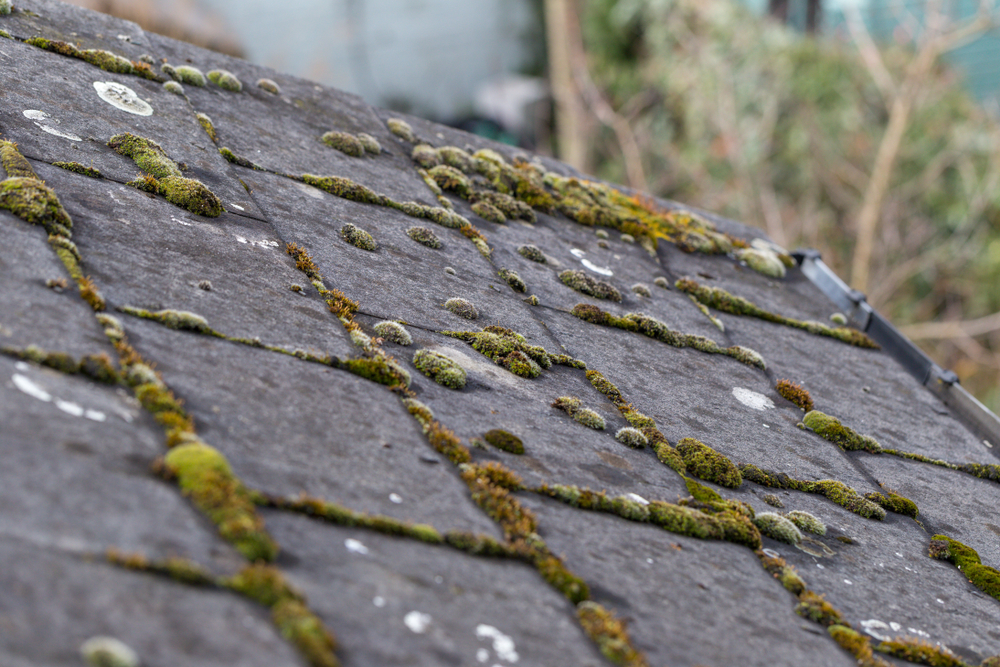
Slate roofs are renowned for their beauty, longevity, and exceptional performance under a variety of weather conditions. However, as strong as they are, winter presents unique challenges that can compromise their integrity if not properly maintained. The combination of snow, ice, moisture, and freezing temperatures can lead to several hidden and visible problems, even in expertly installed slate roofing systems. Understanding how cold weather affects slate roofing helps homeowners stay ahead of costly repairs and maintain their investment for decades to come.
Ice Damming and Its Destructive Path
One of the most common threats to slate roofs during winter is ice damming: when snow melts and refreezes at the eaves, forcing water upward under the slate tiles. Slate itself is water-resistant, but it is not entirely waterproof. The underlayment and flashing systems are responsible for keeping moisture out, and when water begins to back up under the slate due to ice damming, these systems can be overwhelmed.
Once water infiltrates beneath the slates, it can seep into the wooden decking below, triggering rot, mold growth, and even interior leaks. This is particularly dangerous because the problem often goes unnoticed until it has caused significant internal damage. Proper attic insulation and ventilation can help reduce the risk of ice dam formation, but in regions with heavy snowfall and fluctuating temperatures, vigilance is key.
Freeze-Thaw Expansion: Nature’s Slow Breaker
Slate is a natural stone, and while it is very dense, it still contains microscopic fissures and pores. These small openings become a liability during freeze-thaw cycles. Freeze-thaw expansion: water entering small fissures in the stone expands as it freezes, causing delamination or “spalling.” Spalling results in thin layers of the slate flaking away, weakening the structure of the tile and making it more susceptible to further damage.
Over time, repeated cycles of moisture infiltration and freezing can transform a once-durable slate into a fragile, crumbling piece. This degradation not only affects the slate’s ability to shed water but also its appearance, leading to a patchy, uneven surface that may require replacement tiles to restore visual harmony.
Hidden Cracking From Snow Load
Heavy snow accumulation poses more than just visible weight on the roof. It introduces hidden cracking: the weight of heavy snow accumulation can stress and crack tiles that were already weakened or improperly installed. Unlike more flexible roofing materials, slate does not bend. Instead, it cracks under pressure, often silently. These cracks can remain hidden until spring thaw brings water infiltration or until a routine inspection reveals the damage.
The danger lies in the delayed symptoms. A roof may appear perfectly fine after a snowstorm but start leaking weeks or months later. This lag between cause and effect makes routine winter inspections critical. Identifying stress fractures early can prevent interior damage and extend the roof’s life.
Fastener Failure: Small Pieces, Big Problems
The performance of a slate roof is not just about the stone; it is also about how those stones are held in place. Fastener failure: cold-related shifting can stress older copper or galvanized nails, causing them to snap and leading to “slid slate.” When slates shift out of alignment or fall out entirely, they compromise the integrity of the surrounding tiles and expose the underlayment to moisture.
Over time, the expansion and contraction of materials due to temperature swings create constant micro-movements. Older fasteners, especially those not made from corrosion-resistant materials, may rust or become brittle. Once a nail snaps, the affected slate may appear to hang loose or slide out of place, particularly on steep pitches. Replacing fasteners and ensuring proper installation techniques are vital for long-term durability.
Flashing Contraction and Its Effects
Flashing is essential in waterproofing transitions between roofing materials and roof features such as chimneys, valleys, and vents. Flashing contraction: metal valleys and flashing expand and contract at different rates than the stone, potentially breaking waterproof seals. These breaks may not always be visible to the naked eye, but they are significant entry points for water.
When flashing separates or pulls away during cold weather, it leaves gaps where moisture can collect and eventually seep under the slates. These issues are often compounded by snow melt, which keeps moisture on the roof surface for extended periods. Regular checks of flashing integrity, particularly after significant freezes or storms, can help catch problems before they escalate.
Impact Brittleness and Sudden Damage
In extremely cold weather, slate’s natural properties change. Impact brittleness: in extremely low temperatures, slate becomes more brittle and prone to cracking from falling branches or heavy hail. A slate tile that could normally withstand a moderate impact may shatter when it is frozen solid. This brittleness can lead to unexpected breakage even from minor events, like a limb dropping from a nearby tree.
Unlike some roofing materials that can flex or bounce back from impact, slate is unforgiving. A single cracked tile opens a pathway for water and may also destabilize adjacent slates. Tree trimming and routine inspections after storms are key preventative measures, especially in areas with freezing temperatures and high winds.
Gutter Weight Stress and the Starter Course
Your slate roof’s edge is its most vulnerable area, and gutter systems are often to blame for damage in this zone. Gutter weight stress: frozen debris in gutters can pull on the “starter course” of slates, leading to edge damage. When gutters clog with ice, leaves, and snow, the added weight tugs on the eaves and the first course of slates, which are often slightly more exposed and less supported than higher rows.
This tugging effect can lead to cracks, displacement, or even slate detachment. Once the starter course is compromised, water infiltration becomes more likely, and structural edge elements may also suffer. Heated gutter systems and seasonal cleaning can dramatically reduce the likelihood of this kind of damage.
Silt, Staining, and Structural Softening
Slate roofing, like all natural materials, contains mineral deposits and inclusions that can react under certain conditions. Silt and slate “bleeding”: moisture trapped between layers can cause mineral inclusions to oxidize, leading to rust-colored streaks or structural softening. These rust-like stains are not just aesthetic issues; they can indicate internal moisture retention and the gradual weakening of the slate.
This bleeding often appears after extended periods of freezing followed by rapid thawing, which allows water to penetrate and activate oxidation within the slate itself. When this occurs, the slate may begin to crumble or become powdery in spots, requiring careful removal and replacement to prevent spread.
Conclusion
Slate roofing offers timeless elegance and exceptional longevity, but it is not immune to the trials of winter. From ice damming to impact brittleness, the cold season puts stress on every component of your roof. Understanding threats like freeze-thaw expansion, hidden cracking, and fastener failure empowers homeowners to act early, maintain performance, and protect their homes.
Regular inspections, preventative maintenance, and timely repairs are crucial for getting the most out of your slate roof, especially in cold climates. A slate roof may last a century, but it needs careful stewardship to make it through each winter unscathed. By addressing winter’s hidden risks, you can preserve the strength, function, and beauty of your slate roof for generations to come.
Need Roofing Services Near You?
Since 1975, we here at The Twelfth Century Slate Roofing Co. have been providing quality slate and copper roofing to Burlington, MA and beyond. We are your experts in the installation, repair, and renewal of slate and copper roofing. We are dedicated to making your home look like new, so call us today for a free estimate!