

Preparing Boston’s Historic Slate Roofs for New England Winters: Inspection & Maintenance Guide
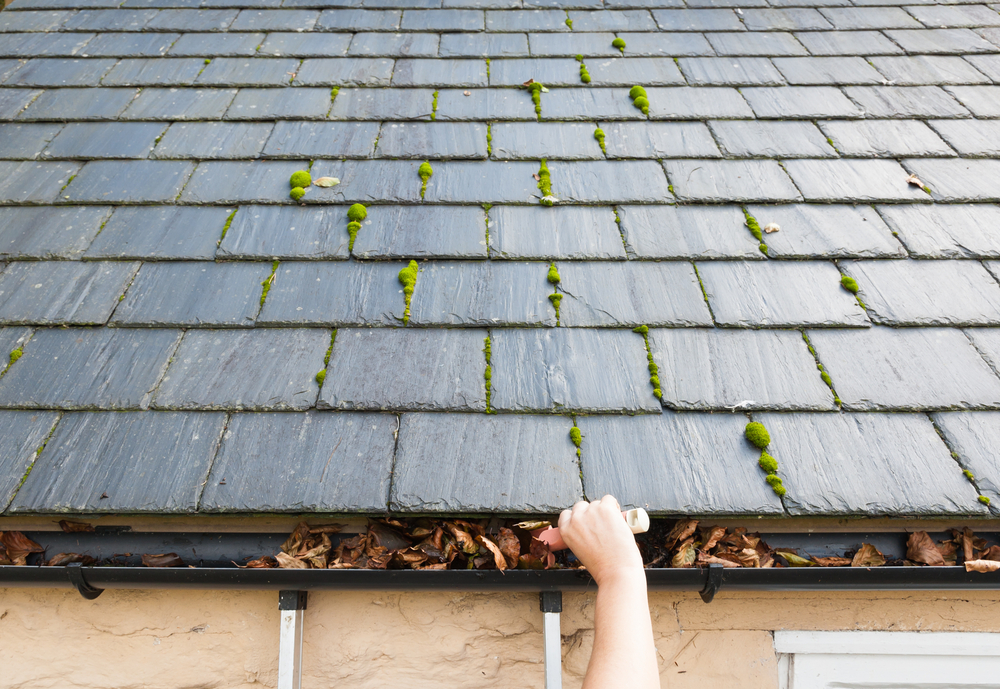
A historic slate roof has already weathered decades of New England seasons, but winter can expose weaknesses that were easy to miss during warmer months. Snow, ice, wind, repeated freezing and thawing, and water entering small openings can turn a loose slate or aging flashing detail into a larger problem.
For owners of historic properties in Boston, fall roof preparation should focus on identifying vulnerable slate, checking metalwork and drainage, and completing appropriate roof repairs before winter weather limits safe roof access.
Quick answer: Preparing a historic slate roof for winter means inspecting individual slates for cracks, movement, or loss, checking flashing around chimneys and roof penetrations, clearing gutters and drainage paths, and looking inside for signs of moisture. Historic roofs also require care in how repairs are performed because unnecessary slate replacement or incompatible materials can affect both roof performance and historic character.
What local property owners should know
-
Slate problems are often localized, so a few damaged pieces do not automatically mean the entire roof needs replacement.
-
Historic districts such as Beacon Hill, Back Bay, and the South End may have design-review requirements that affect visible exterior roof work.
-
Gutters, valleys, flashing, and other water-management details deserve attention before snow and ice arrive.
-
Walking directly on an older slate roof can crack otherwise serviceable slates, so close inspection is generally work for an experienced professional.
-
Fall is a useful time to establish the roof’s condition before winter weather makes inspection and repair more difficult.
Why Winter Preparation Matters for Historic Slate Roofs in Boston
Winter preparation matters because small defects in a historic slate roof can become pathways for water during New England’s repeated snow, ice, freezing, and thawing conditions. Finding vulnerable areas before winter gives property owners an opportunity to address localized problems while conditions are more favorable for inspection and repair.
Historic properties around Beacon Hill, Back Bay, the South End, Bay Village, and nearby neighborhoods often have roof assemblies that need to be treated as systems rather than simply as a surface layer. Slate, flashing, fasteners, valleys, gutters, masonry intersections, and roof penetrations all play a role.
Twelfth Century Slate Roofing Co. helps property owners evaluate these details with the goal of preserving serviceable historic roofing materials whenever appropriate. From this point forward, we focus on what the roof actually needs rather than assuming age alone determines whether slate should remain in place.
What Should a Pre-Winter Slate Roof Inspection Cover?
A pre-winter slate roof inspection should cover the slate field, flashings, valleys, penetrations, drainage components, masonry intersections, and visible interior evidence of water entry. The purpose is to find weaknesses that could allow winter moisture into the building or create conditions for additional roof damage.
An inspection may look for:
-
Cracked, broken, displaced, or missing slates
-
Slate pieces or fragments that have fallen from the roof
-
Loose or visibly deteriorated flashing
-
Vulnerable chimney and masonry intersections
-
Debris collecting in valleys or drainage paths
-
Damaged or obstructed gutters and downspouts
-
Signs of moisture in the attic or upper floors
-
Previous repairs that appear incompatible with the surrounding slate
The inspection method matters, too. Slate can be damaged by careless foot traffic. Property owners should avoid climbing onto steep or historic slate roofs simply to get a closer look.
Local Data and Preservation Considerations
Boston’s historic-district requirements can affect how exterior roofing work is planned, particularly when the roof is visible from a public way. City of Boston preservation guidance should therefore be checked before repairs or alterations are started on a property within a regulated historic district.
For example, the City states that exterior work visible from a public way in the Historic Beacon Hill District is subject to review. Back Bay also subjects proposed exterior work to district review, while visible rooftop work in the South End can fall within commission jurisdiction. Back Bay residential guidance states that replacement slate should match original slate in design, color, coursing, and texture.
South End standards specifically favor retaining or repairing original slate, with provisions governing replacement when visible roof areas require it.
That makes early planning especially valuable for owners of historic properties. A repair that seems straightforward from a roofing perspective may also need to satisfy preservation requirements.
What Are the Warning Signs of a Slate Roof Problem?
Warning signs include missing or broken slate, fallen slate fragments, active or previous leaks, deteriorating flashing, clogged drainage, and visible changes in the roof surface. These symptoms do not necessarily indicate that the entire roof has failed, but they warrant investigation before winter.
Watch for these seven signs:
-
Slate pieces on the ground. Fragments near the building can indicate breakage or movement above.
-
Visible gaps in the roof. A missing slate can expose underlying components to moisture.
-
Water staining indoors. Stains in attics, ceilings, or upper walls may point to roof or flashing problems.
-
Loose flashing. Metal details around chimneys, walls, valleys, and penetrations can become vulnerable independently of the slate.
-
Overflowing gutters. Poor drainage can keep water where it does not belong.
-
Previous patching that is failing. Temporary repairs may not remain reliable through another winter.
-
Changes after a storm. Strong winds or falling debris can damage isolated areas even when the rest of the roof remains sound.
When Should You Call a Slate Roofing Professional?
Call a slate roofing professional when an inspection requires roof access, slate is missing or falling, water is entering the building, flashing appears compromised, or the repair involves a historic roof assembly. Ground-level observation is useful for property owners, but walking on slate or attempting improvised repairs can cause additional damage.
From the ground, owners can safely watch for fallen slate, obvious gaps, gutter overflow, and changes in roof appearance. Inside, accessible attic areas can be checked for staining or dampness without disturbing roofing components.
Professional evaluation becomes more important when the source of a leak is unclear. Water may enter at flashing or another transition and travel before becoming visible indoors, so the stain and the actual defect are not always directly aligned.
What Commonly Causes Winter Problems on Historic Slate Roofs?
Winter problems commonly begin with already damaged slate, aging metalwork, drainage restrictions, vulnerable roof transitions, or previous repairs that no longer perform properly. Snow and freezing conditions can expose these weaknesses rather than being the sole cause of the problem.
1. Broken or displaced slate
An isolated slate failure can leave part of the underlying roof vulnerable. Prompt localized repair may help prevent a small defect from becoming a larger moisture problem.
2. Flashing deterioration
Chimneys, valleys, walls, and roof penetrations depend on properly functioning metalwork. Slate may remain serviceable while surrounding flashing requires attention.
3. Restricted drainage
Leaves and debris can interfere with gutters, downspouts, and valleys during autumn. That becomes more significant as winter precipitation arrives.
4. Incompatible previous repairs
Historic roofs sometimes accumulate layers of past repairs. Materials or methods that do not work appropriately with the existing slate assembly can complicate future maintenance.
5. Deferred inspection
A roof that appears acceptable from the sidewalk can still have localized vulnerabilities. On dense historic streets in areas such as Beacon Hill and Back Bay, portions of the roof may also be difficult to see from ground level.
How Should a Historic Slate Roof Be Maintained Before Winter?
Pre-winter maintenance should prioritize gentle inspection, clear drainage, targeted slate repairs, sound flashing, and preservation of serviceable original material. Maintenance should correct actual defects without creating unnecessary disturbance to an older roof.
A practical fall routine includes checking the property after leaves begin falling, confirming gutters and downspouts can drain, inspecting accessible interior areas for moisture, and arranging professional evaluation when exterior conditions suggest a problem.
DIY work should stop at the point where safe roof access, slate removal, flashing work, or diagnosis of an active leak is required. Historic slate is not a suitable surface for casual walking.
What Results Can Property Owners Expect From Preventive Maintenance?
Preventive maintenance can identify localized defects earlier, improve drainage readiness, and give owners a clearer understanding of the roof’s condition before severe winter weather arrives. It cannot guarantee that a roof will never leak, but it can reduce uncertainty and support more deliberate repair decisions.
A well-maintained slate roof should not automatically be treated as a replacement candidate because of its age. The condition of the slate, fasteners, flashing, substrate, and surrounding details should guide the recommendation.
What Slate Roof Maintenance Mistakes Should Boston Property Owners Avoid?
The biggest maintenance mistakes are unnecessary replacement, unsafe roof access, incompatible patching, ignored drainage problems, and waiting until winter to investigate known defects. On historic properties, an additional mistake is beginning visible exterior work without checking whether preservation review applies.
Mistake: Walking across slate to inspect it closely.
Consequence: Foot traffic can break otherwise serviceable pieces.
Better approach: Use an inspection method appropriate for a fragile historic roof.
Mistake: Assuming a leak means all slate must be replaced.
Consequence: Serviceable historic material may be removed unnecessarily.
Better approach: Diagnose the actual entry point and overall roof condition first.
Mistake: Ignoring preservation requirements.
Consequence: Work may conflict with applicable district standards.
Better approach: Confirm requirements before materials are purchased or exterior work begins. The City specifically advises property owners in districts such as Beacon Hill and Back Bay to obtain required approvals before starting regulated work.
What Is a Common Local Winter-Preparation Scenario?
A common local scenario is an older rowhouse whose slate field remains largely intact but has several vulnerable pieces, aging flashing, or drainage concerns that become noticeable during a fall inspection. This is a scenario, not a Twelfth Century Slate Roofing Co. case study.
For a property near the Back Bay, South End, or Beacon Hill, the appropriate response might involve identifying individual slate defects, assessing flashing and drainage, and determining whether proposed visible work requires historic-district review.
The important point is that the roof should be evaluated as an assembly. A limited problem may call for a limited repair rather than a broad replacement.
What Services Help Prepare a Slate Roof for Winter?
Slate roof inspections, individual slate repair, flashing evaluation and repair, drainage assessment, and appropriate historic-roof maintenance can address many of the vulnerabilities found before winter. The exact scope should follow the roof’s existing condition and any preservation requirements that apply to the property.
Our approach starts with identifying what is serviceable, what is vulnerable, and what actually requires intervention.
Should You Inspect the Roof Yourself or Hire a Professional?
Property owners can perform basic observations from safe locations, but professional inspection is the better choice when evaluating slate condition, flashing, roof transitions, or areas requiring roof access. The distinction is particularly important on steep historic roofs where both personal safety and material preservation are concerns.
Use a ground-level check for obvious missing slate, fallen fragments, gutter problems, or visible storm damage. Use professional service for close slate assessment, leak diagnosis, flashing evaluation, and repair planning.
What Areas Around Boston Have Historic Slate Roofing Concerns?
Historic slate roofing concerns are especially relevant in older neighborhoods and preservation districts where original or traditional roof materials contribute to a building’s character. Beacon Hill, Back Bay, the South End, Bay Village, and Bay State Road/Back Bay West are examples where exterior alterations may also involve preservation oversight.
We can evaluate service needs based on the individual property, roof construction, accessibility, and applicable local requirements.
What Can Happen If Slate Roof Problems Are Ignored?
Ignoring a loose slate, failed flashing detail, or drainage problem can allow a localized defect to contribute to water intrusion and damage to other building materials. Waiting until snow, ice, or freezing temperatures arrive can also make inspection and repair scheduling more difficult.
For historic buildings, delay can complicate preservation as well. Water entering through a roof can affect wood, plaster, masonry, finishes, and other materials that may be costly or difficult to restore.
FAQ
How often should a historic slate roof in Boston be inspected?
A historic slate roof should be inspected periodically and after conditions that may have caused damage, with fall providing a useful opportunity to prepare for winter. The appropriate frequency depends on roof condition, previous repairs, surrounding trees, flashing condition, and whether the building has a history of leaks.
Can cracked slate be repaired without replacing the whole roof?
Yes, localized slate damage can often be addressed without replacing an otherwise serviceable roof, depending on the condition of the overall assembly. An inspection should determine whether the problem is limited to individual pieces or reflects broader deterioration involving slate, fasteners, flashing, or the supporting roof components.
Can I walk on my slate roof to inspect it?
Property owners generally should not walk on historic slate simply to perform a routine inspection. Slate can crack under inappropriate foot traffic, and Boston’s older buildings may have steep or difficult roof configurations. Ground-level observations and accessible interior checks are safer DIY steps, while close exterior evaluation is better left to qualified professionals.
Does slate roof work in Beacon Hill require approval?
Exterior work visible from a public way in the Historic Beacon Hill District is subject to review by the Beacon Hill Architectural Commission. The City’s guidance tells property owners not to begin work or purchase materials until required approval has been received, so project-specific requirements should be confirmed before roofing work starts.
Are there special slate requirements in Back Bay?
Yes, Back Bay preservation guidance includes specific expectations for historic roofing materials. Residential guidelines state that replacement slate should match original material in design, color, coursing, and texture, and identify synthetic slate and asphalt shingles as inappropriate in that context. Property owners should confirm requirements for their specific project.
What should I check after a Boston winter storm?
Check safely from the ground for fallen slate, visible gaps, displaced materials, gutter problems, and other changes that were not present before the storm. Inside the property, look for new moisture staining in accessible upper floors or attic areas. Avoid climbing onto the roof to investigate suspected damage yourself.
Are gutters important on a historic slate roof?
Yes, functioning gutters and drainage paths help move water away from the roof and building rather than allowing it to collect at vulnerable areas. Before winter, property owners should look for obvious debris and overflow while avoiding unsafe ladder or roof work, particularly on tall historic rowhouses.
Does the South End have rules for historic slate roofs?
Yes, South End Landmark District standards address original slate and visible roof replacement. The standards state that original slate should be retained or repaired and provide requirements for materials when visible portions require replacement. Visible rooftop work can also be subject to district review.
Protect Your Historic Roof Before the Next New England Winter
A historic slate roof deserves maintenance that respects both its function and the building it protects. Careful fall inspection can help Boston property owners identify vulnerable slate, flashing, and drainage details before winter conditions make those problems more difficult to address.
Twelfth Century Slate Roofing Co. can help evaluate what should be preserved, what needs attention, and which repairs are appropriate for the existing roof.
Prepare Your Historic Slate Roof for Winter
Get a condition-based assessment focused on protecting serviceable slate and addressing genuine vulnerabilities.