

Copper and Slate: Why This Historic Roofing Pair Outlasts Modern Materials in Boston
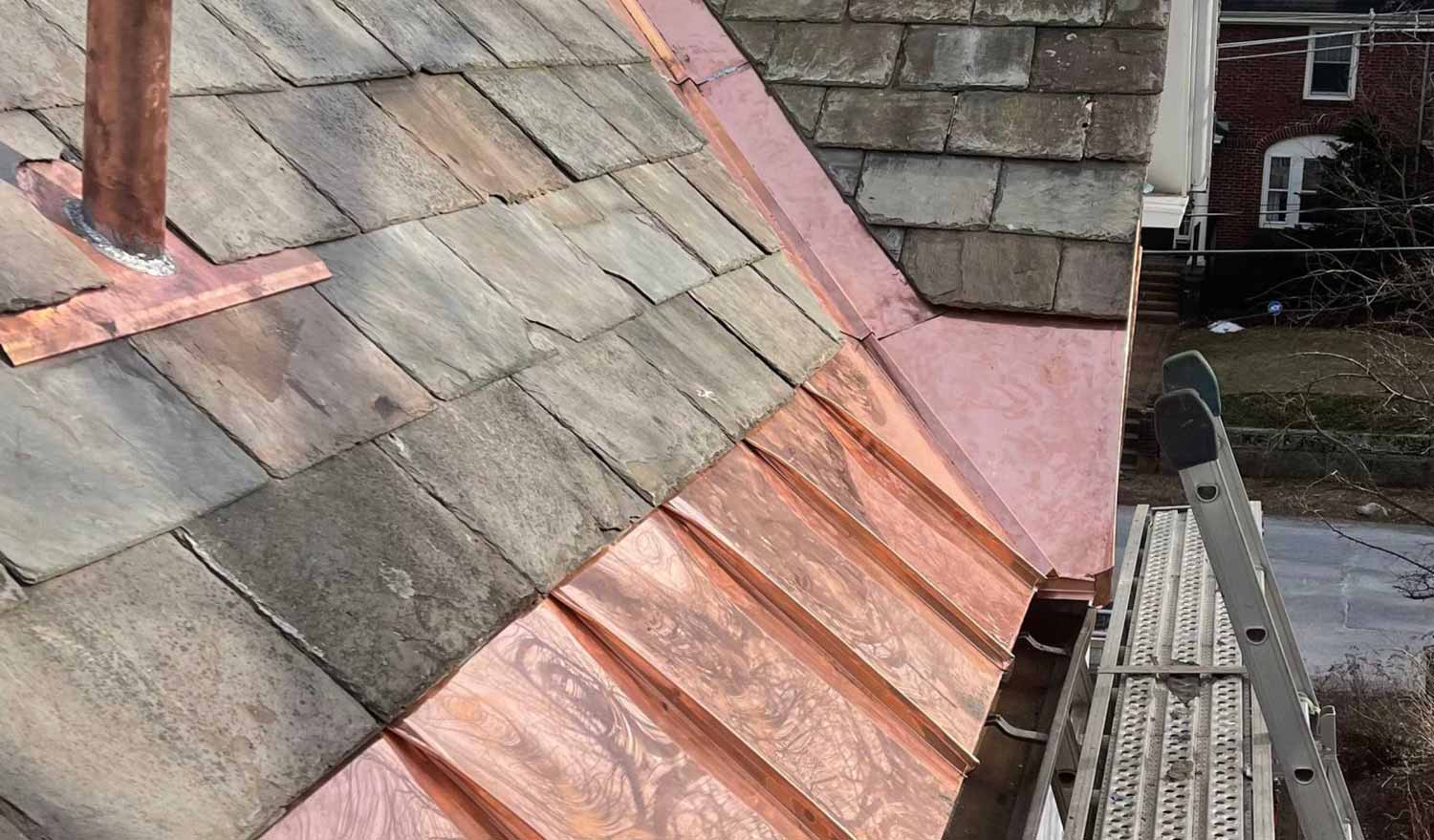
Boston is filled with homes and historic buildings that have stood for generations, and many of them share one thing in common: copper and slate roofing. From Beacon Hill townhomes to Back Bay brownstones and historic churches throughout Suffolk County, these materials have protected structures through harsh winters, coastal storms, and decades of changing weather.
Quick Answer
Copper and slate outlast many modern roofing materials because both are naturally durable, weather resistant, and well suited to the freeze thaw cycles, snow, salt air, and aging architecture found throughout the Greater Boston area. While they require specialized installation and maintenance, their longevity and timeless appearance often make them the preferred choice for historic and high value properties.
What Local Readers Should Know
-
Copper develops a protective patina over time that helps resist corrosion in coastal New England conditions.
-
Slate is one of the longest lasting roofing materials available when properly installed and maintained.
-
Historic neighborhoods such as Beacon Hill, Back Bay, and the South End often feature original slate and copper roofing systems that continue to perform decades later.
-
Boston’s freeze thaw cycles place significant stress on many roofing materials, making proper installation just as important as material selection.
-
Matching historic roofing materials can help preserve the character and architectural integrity of older homes.
Why This Matters Locally
Copper and slate roofing are closely connected to Boston’s architectural history. Many residential neighborhoods throughout Cambridge, Brookline, Charlestown, and the North End include homes built long before asphalt shingles became common. These structures were designed around premium roofing systems that complemented masonry walls, decorative trim, and complex rooflines.
The National Weather Service regularly documents winter storms, heavy snow, wind driven rain, and seasonal freeze thaw conditions across eastern Massachusetts. These weather patterns create expansion and contraction that can shorten the lifespan of lower quality roofing materials over time.
Twelfth Century Slate Roofing Co. specializes in preserving and restoring traditional roofing systems that were built to withstand these demanding local conditions. From this point forward, we focus on helping property owners understand why these historic materials continue to perform so well and when they remain the best investment.
Local Data and Professional Field Observations
Professional field observations consistently show that many older buildings throughout Boston continue to perform well with original or long standing slate and copper roofing systems. While every roof ages differently based on installation quality and maintenance history, properly maintained historic materials frequently remain serviceable long after multiple generations of asphalt roofing have required replacement.
Weather patterns throughout eastern Massachusetts also contribute to this performance. Snow accumulation, coastal moisture, ice dams, and rapid temperature swings reward roofing systems that resist water penetration while accommodating seasonal movement.
Copper Naturally Protects Itself
Copper lasts for decades because it forms its own protective surface. As copper ages, it develops a patina that shields the metal from ongoing corrosion. Instead of weakening the material, this natural process helps preserve it while giving historic buildings their distinctive appearance.
For Boston property owners near Boston Harbor or exposed to coastal moisture, this corrosion resistance is particularly valuable. Copper flashing, valleys, gutters, and decorative details continue protecting vulnerable roof areas where other materials may deteriorate more quickly.
Slate Is Built for Long Term Performance
Slate remains one of the most durable roofing materials because it is natural stone. Unlike manufactured roofing products that gradually break down from ultraviolet exposure, quality slate maintains its strength while resisting fire, moisture, insects, and weathering.
Many historic buildings throughout Beacon Hill and Back Bay still feature slate roofs that have protected the structure for generations. Individual damaged slates can often be repaired without replacing the entire roof, making preservation practical when performed by experienced professionals.
Local Impact
Historic roofing materials provide more than visual appeal. They help preserve property value, maintain architectural character, and protect older building structures that were originally designed for heavier, long lasting roofing systems.
For Boston homeowners, replacing slate or copper with incompatible materials can sometimes create aesthetic concerns, moisture problems, or maintenance challenges that would not exist with historically appropriate repairs.
Warning Signs Your Historic Roof Needs Attention
Even durable materials require periodic inspection. Watch for these warning signs:
-
Missing or cracked slate tiles
-
Copper flashing pulling away from chimneys or valleys
-
Loose ridge pieces
-
Interior water stains after storms
-
Broken fasteners or slipping slate
-
Excessive moss trapping moisture
-
Debris collecting in copper valleys or gutters
Early repairs often prevent more extensive restoration later.
When to Call a Professional
Historic roofing should be evaluated whenever visible damage appears or after major winter storms. While homeowners can safely observe roof conditions from the ground or inspect attic spaces for leaks, walking on slate roofing is generally not recommended because individual tiles can crack under improper foot traffic.
Professional inspections are especially valuable for older homes where hidden flashing issues or aging fasteners may not be visible from the ground.
Common Local Causes of Roofing Problems
Several regional factors contribute to wear on historic roofing systems.
Freeze Thaw Cycles
Repeated freezing and thawing can stress fasteners and flashing while allowing water to expand within small openings.
Snow and Ice
Heavy snow loads and ice dams create prolonged moisture exposure around valleys, chimneys, and eaves.
Aging Building Components
Many historic homes have roof structures that require preservation techniques rather than modern replacement methods.
Deferred Maintenance
Small repairs postponed for several seasons often become larger restoration projects.
Prevention and Maintenance
Routine maintenance helps preserve historic roofing.
-
Schedule professional roof inspections after severe winters.
-
Keep gutters and valleys free of debris.
-
Address damaged slate promptly before surrounding tiles loosen.
-
Monitor flashing around chimneys and roof penetrations.
-
Trim overhanging branches that may scrape roofing surfaces.
-
Avoid pressure washing slate roofing.
Preventive care helps preserve both the roofing materials and the underlying structure.
Expected Results
Proper maintenance allows copper and slate roofing systems to continue protecting historic buildings for many years. Property owners should expect periodic repairs as individual components age, but comprehensive preservation often extends the useful life of the entire roofing system while maintaining the building’s historic appearance.
Common Mistakes
Mistake: Replacing isolated damaged slate with mismatched modern materials.
Consequence: The roof loses visual consistency and may develop compatibility issues.
Better Approach: Use matching slate whenever possible and preserve surrounding original materials.
Mistake: Hiring contractors unfamiliar with historic roofing.
Consequence: Improper fastening or flashing methods may damage otherwise sound roofing.
Better Approach: Work with professionals experienced in traditional slate and copper systems.
Common Local Scenario
A homeowner purchases a century old home in the South End and assumes the aging slate roof requires complete replacement after noticing several missing tiles. A professional inspection instead identifies localized slate damage and aging flashing around one chimney. Targeted repairs restore weather protection while preserving the majority of the original roofing system.
Related Service Solutions
Historic roofing often benefits from services such as:
-
Slate roof inspections
-
Individual slate replacement
-
Copper flashing repair
-
Historic roof restoration
-
Preventive maintenance
-
Leak investigation
-
Chimney flashing improvements
Comparing Your Options
| Option | Advantages | Considerations |
|---|---|---|
| Targeted Repair | Preserves historic materials and addresses isolated issues | Best for localized damage |
| Historic Restoration | Extends roof life while maintaining original appearance | Requires specialized expertise |
| Full Replacement | Appropriate when the roofing system has reached the end of its serviceable life | Material selection should respect the building’s architecture |
Service Areas
We proudly serve homeowners and property managers throughout Boston, Cambridge, Brookline, Charlestown, Newton, and surrounding communities across eastern Massachusetts. Every historic property presents unique challenges, and our approach reflects the age, architecture, and roofing materials already in place.
Cost of Ignoring the Issue
Delaying repairs can allow moisture to reach roof decking, framing, masonry, and interior finishes. What begins as a single damaged slate or loose flashing section may gradually affect larger portions of the roofing system, particularly after severe winter weather.
Frequently Asked Questions
Why are slate roofs so common in older Boston neighborhoods?
Slate became popular because of its durability, fire resistance, and appearance. Many historic homes were originally designed around slate roofing, making it a natural fit for preserving architectural character today.
Does copper roofing perform well near the coast?
Yes. Copper naturally develops a protective patina that helps resist corrosion, making it well suited for properties influenced by coastal moisture and changing New England weather.
Can damaged slate usually be repaired?
Yes. Individual damaged slate tiles can often be replaced without removing the entire roof, provided the surrounding roofing system remains in good condition.
How often should historic roofs be inspected in Boston?
Professional inspections after major winter seasons or severe storms help identify loose slate, flashing concerns, and developing leaks before they become larger problems.
Are copper flashing repairs important?
Yes. Copper flashing protects vulnerable roof transitions around chimneys, valleys, dormers, and roof penetrations. Maintaining these areas helps prevent water intrusion.
Is walking on slate roofing safe?
No. Slate can crack under concentrated foot pressure. Roof inspections and repairs should be performed using methods designed specifically for slate roofing systems.
Do older homes in Suffolk County require specialized roofing methods?
Yes. Many historic structures require preservation techniques that respect original construction methods and materials rather than standard modern roofing practices.
Is replacing slate with asphalt always the best option?
No. Every roof should be evaluated individually. In many cases, repairing or restoring an existing slate roof may preserve both the building’s character and long term performance.
Protect Your Historic Roof with Experienced Craftsmanship
Historic roofing deserves solutions that respect both the building and the materials that have protected it for generations. We help homeowners throughout Boston preserve slate and copper roofing systems with careful inspections, thoughtful repairs, and restoration services tailored to each property.