

Preparing Historic Boston Slate Roofs for Harsh New England Winters: A Homeowner’s Maintenance Guide
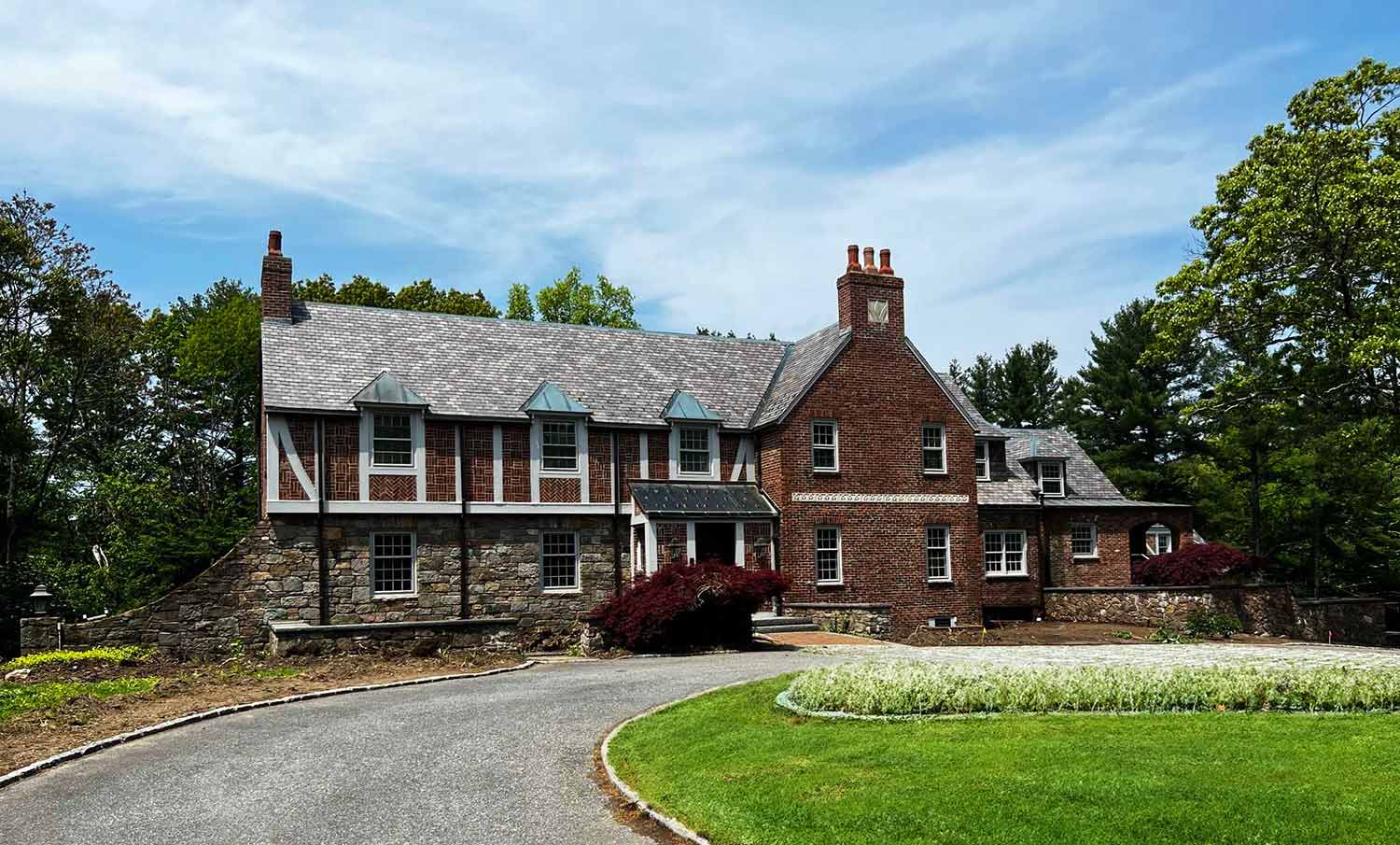
Boston’s historic neighborhoods are known for their timeless architecture, and slate roofs are one of the defining features of many older homes. From Beacon Hill to Back Bay, these roofs have protected properties for generations. As winter approaches, however, freezing temperatures, snow accumulation, and repeated freeze-thaw cycles can place significant stress on even the most durable slate roofing systems.
Quick Answer
Preparing a historic slate roof for a New England winter means inspecting the roof before freezing weather arrives, repairing damaged slate tiles, checking flashing, ensuring gutters drain properly, and addressing minor issues before snow and ice make them worse. Preventive maintenance helps preserve the roof’s lifespan while reducing the risk of winter leaks and structural damage.
What Local Homeowners Should Know
-
Slate roofs can last well over a century when properly maintained, but individual components such as flashing may require periodic replacement.
-
Boston’s freeze-thaw cycles can turn small roofing issues into expensive repairs if left unattended.
-
Historic homes in neighborhoods like Beacon Hill, South End, and Charlestown often require extra care because of their age and architectural details.
-
Heavy snow, ice dams, and coastal winds from Massachusetts Bay create seasonal challenges that are unique to Greater Boston properties.
-
Annual inspections before winter are one of the most effective ways to protect a historic slate roof.
Why This Matters Locally
Preparing historic slate roofs for winter is especially important because Boston experiences prolonged freezing temperatures, coastal storms, heavy snowfall, and frequent freeze-thaw cycles throughout the season. Older homes found throughout Suffolk County often feature original slate roofing systems that remain structurally sound but require specialized maintenance to preserve their longevity.
Twelfth Century Slate Roofing Co. specializes in caring for historic slate roofing systems, and we understand the unique challenges that New England weather presents. Our goal is to help homeowners preserve their investment while maintaining the architectural character of their homes.
Local Data and Professional Field Observations
According to the National Weather Service, New England regularly experiences winter weather that includes snow, freezing rain, strong coastal storms, and extended periods below freezing. These conditions increase the likelihood of ice buildup, water infiltration, and freeze-thaw damage on roofing systems.
From our field experience, many winter roofing problems begin with relatively minor issues that developed during autumn. A cracked slate, deteriorated flashing, or clogged gutter may seem insignificant in October but can allow melting snow to enter the roof system once temperatures fluctuate.
How Winter Affects Historic Slate Roofs
Historic slate roofs perform exceptionally well during winter because natural slate resists moisture and freezing temperatures. The surrounding roofing components, however, often experience the greatest stress.
Potential winter concerns include:
-
Expansion and contraction from repeated freeze-thaw cycles
-
Ice dams along roof edges
-
Snow accumulation in roof valleys
-
Flashing deterioration around chimneys and dormers
-
Wind-driven rain and snow entering damaged roof areas
-
Gutter overflow caused by ice or debris
These issues can eventually affect interior ceilings, insulation, wood framing, and decorative architectural features if not addressed early.
Warning Signs Before Winter Arrives
Preparing for winter should begin with identifying potential problem areas.
Watch for:
-
Missing, cracked, or sliding slate tiles
-
Rusted or separating metal flashing
-
Loose ridge or hip cap pieces
-
Gutters that overflow during rainfall
-
Moss or debris collecting in roof valleys
-
Water stains inside the attic
-
Pieces of slate found around the property
-
Previous repair areas showing signs of deterioration
Any of these warning signs deserve professional evaluation before the first significant snowfall.
When to Call a Professional
Professional slate roof inspections are recommended whenever visible damage is present or before winter weather begins.
Homeowners can safely:
-
Observe the roof from ground level
-
Watch for missing slate after storms
-
Keep gutters free of leaves when safely accessible
-
Monitor attic spaces for signs of moisture
Professional service is appropriate for:
-
Walking on slate roofs
-
Replacing slate tiles
-
Flashing repairs
-
Chimney roof intersections
-
Structural concerns
-
Leak diagnosis
Slate roofing requires specialized techniques, and improper foot traffic can create additional damage.
Common Local Causes of Winter Roof Problems
Several conditions commonly contribute to winter roofing issues throughout the Boston area.
1. Freeze-Thaw Cycles
Repeated freezing and thawing allows moisture to expand inside small openings, gradually worsening minor defects.
2. Aging Flashing
Many historic homes retain aging copper or steel flashing that eventually reaches the end of its service life, even while the slate remains in excellent condition.
3. Heavy Snow Loads
Large snow accumulations increase stress around valleys, dormers, and roof transitions.
4. Ice Dams
Poor drainage and uneven roof temperatures allow ice dams to form near roof edges, preventing melting snow from draining properly.
5. Coastal Storm Exposure
Homes closer to neighborhoods such as East Boston and areas along Boston Harbor often experience stronger winds and wind-driven precipitation during winter storms.
Prevention and Seasonal Maintenance
Preventive maintenance is the most effective way to prepare a slate roof for winter.
Recommended seasonal maintenance includes:
-
Schedule a professional roof inspection during early fall.
-
Replace damaged slate before freezing weather.
-
Inspect chimney flashing and roof penetrations.
-
Clean gutters and downspouts after leaves have fallen.
-
Remove branches that overhang the roof.
-
Verify attic ventilation and insulation are functioning properly.
-
Address minor leaks immediately rather than waiting until spring.
Early maintenance is generally safer, more cost effective, and easier to complete before winter weather arrives.
What Results Should Homeowners Expect?
Proper maintenance helps historic slate roofs continue performing as designed throughout winter. Homeowners can expect improved drainage, reduced leak risk, longer service life for roofing components, and greater confidence during snowstorms.
Maintenance cannot prevent every weather-related issue, but it significantly reduces the likelihood that small defects will become major repairs.
Common Mistakes Homeowners Make
Mistake: Waiting until after the first snowstorm for repairs.
Consequence: Ice and freezing temperatures make repairs more difficult while allowing water intrusion to continue.
Better Approach: Schedule inspections and repairs before winter begins.
Mistake: Walking on slate roofing.
Consequence: Slate tiles can crack under improper foot placement.
Better Approach: Leave inspections and repairs to trained slate roofing professionals.
Mistake: Ignoring damaged flashing because the slate appears intact.
Consequence: Water often enters around flashing before slate itself fails.
Better Approach: Inspect the entire roofing system rather than focusing only on the slate.
A Common Local Scenario
A homeowner in the Back Bay notices several pieces of slate in the yard after a windy autumn storm. Since no leaks are visible, repairs are postponed until spring. During the first major snowstorm, melting snow enters beneath the damaged area, eventually creating ceiling stains in an upper-floor bedroom.
Situations like this illustrate why even minor slate damage deserves prompt attention before winter weather arrives.
Related Slate Roofing Services
Historic slate roof maintenance may include:
-
Preventive inspections
-
Individual slate replacement
-
Flashing repair or replacement
-
Leak diagnosis
-
Chimney flashing work
-
Historic roof restoration
-
Snow damage assessments
Comparing Your Options
| Option | Advantages | Considerations |
|---|---|---|
| DIY Visual Inspection | Identifies obvious issues from the ground | Does not replace a professional inspection |
| Professional Maintenance | Detects hidden problems and protects historic materials | Requires scheduling before peak winter demand |
| Minor Repairs Now | Prevents larger winter damage | Best completed before freezing temperatures |
| Waiting Until Spring | Delays immediate expense | May increase repair costs if winter damage develops |
Service Areas
We proudly serve homeowners throughout Boston as well as nearby communities including Cambridge, Brookline, Somerville, Newton, and surrounding areas of Greater Boston. Our experience with historic New England architecture allows us to provide maintenance solutions tailored to older slate roofing systems.
The Cost of Ignoring Winter Preparation
Delaying maintenance can allow water infiltration, damaged flashing, and broken slate to worsen throughout the winter season. Small repairs completed in the fall may help avoid larger restoration projects after months of snow, ice, and freezing temperatures.
Frequently Asked Questions
How often should historic slate roofs in Boston be inspected?
Annual inspections are generally recommended, especially before winter. Properties surrounded by mature trees or exposed to coastal weather may benefit from additional inspections after major storms.
Are slate roofs good for New England winters?
Yes. Natural slate performs exceptionally well in cold climates because it resists moisture and freezing temperatures. The surrounding flashing and drainage systems still require regular maintenance.
Can snow damage a slate roof?
Yes. Heavy snow, ice dams, and falling branches can damage slate tiles or flashing. Routine maintenance helps reduce these risks.
Should homeowners remove snow from slate roofs?
Generally, no. Walking on a slate roof can cause damage. If snow removal becomes necessary due to unusual accumulation or safety concerns, it should be performed by professionals familiar with slate roofing.
Why are flashing inspections important for older Boston homes?
Flashing often ages faster than slate itself. Even when slate remains in excellent condition, deteriorated flashing around chimneys, dormers, and valleys can allow leaks to develop.
What neighborhoods commonly have historic slate roofs?
Many historic properties in Beacon Hill, Back Bay, South End, Charlestown, and portions of Cambridge feature slate roofing systems that benefit from specialized maintenance.
Can small slate cracks wait until spring?
Minor cracks should be evaluated before winter. Freeze-thaw cycles can enlarge existing damage and increase the likelihood of leaks.
Is gutter maintenance important for slate roofs?
Yes. Proper drainage reduces standing water, ice formation, and overflow that can affect roofing components during winter storms.
Protect Your Historic Slate Roof Before Winter Arrives
Historic slate roofs are built to last, but New England winters test every roofing system. Regular inspections, timely repairs, and preventive maintenance help preserve both the beauty and performance of these remarkable roofs for years to come.
Ready to Prepare Your Slate Roof for Winter?
Our experienced team is here to help protect your historic home before harsh winter weather arrives.